Key Takeaways:
- Not all infrared saunas are built for commercial use. Traditional wood saunas can require more maintenance, longer session times and staff oversight, especially in high-traffic environments.
- RedZone is designed for efficiency at scale. Its non-porous composite interior, forced-air heat circulation and no-warm-up design support fast turnover and consistent performance.
- Infrared heat and red light are combined in a single session. Unlike add-on red light panels, RedZone integrates both technologies into a single, evenly distributed experience.
- Short, self-guided sessions drive higher throughput. RedZone’s 10-15 minute sessions make it easier to monetize and integrate into busy wellness spaces.
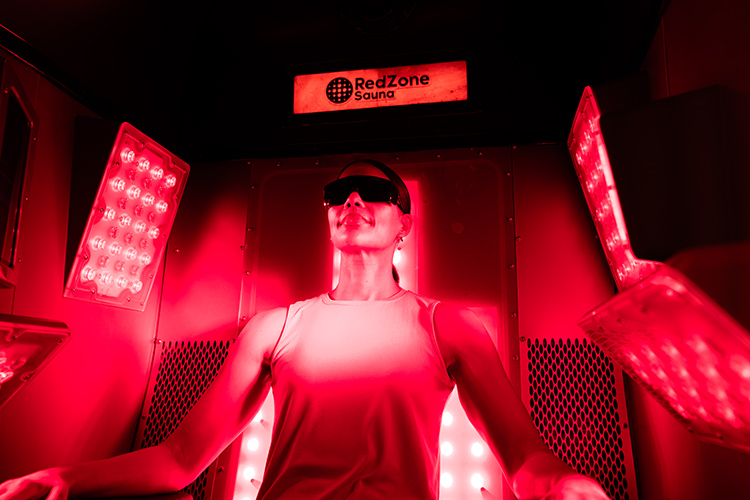
Infrared saunas have become a popular addition to gyms, spas, hotels and wellness centers, offering a lower-heat alternative to traditional steam and dry saunas, with benefits ranging from relaxation to temporary pain relief. In recent years, new technologies and formats have expanded what infrared therapy can look like in a commercial setting.
RedZone Sauna is one of those new formats. Unlike traditional infrared saunas, which often rely on wood construction and longer session times, RedZone combines infrared heat with built-in red light in a compact, maintenance-friendly unit.
In this post, we’ll explore how RedZone compares to more traditional infrared sauna formats, examining key differences in construction, heat delivery, user experience and operational efficiency to help you choose the best fit for your space.
RedZone vs. Traditional Infrared Saunas at a Glance
| Category | Traditional Infrared Sauna | RedZone Sauna |
| Design Approach | Wood-built cabin designed for extended, spa-style sessions | Purpose-built unit designed for short, repeatable commercial use |
| Construction Materials | Wood interiors (often cedar or similar softwoods) | Non-porous composite interior |
| Heat Distribution | Infrared panels with primarily passive heat delivery | Infrared heat supported by forced-air circulation |
| Session Model | 10–20 min warm-up; typically used for 30–45 min sessions | No warm-up; designed for 10–15 minute sessions with quick turnover |
| Red Light Therapy | Optional or add-on panels in some models | Fully integrated red and near-infrared light panels |
| Operational Considerations | Typically requires drying time and routine wood maintenance | Quick wipe-down; minimal between-session upkeep |
| Commercial Fit | Well-suited for spa environments prioritizing longer stays | Well-suited for high-traffic gyms, hotels and wellness spaces |
Wood vs. Composite Interiors
Most traditional infrared saunas are built from cedar or other softwoods. While this construction is common in residential and spa-style settings, wood surfaces can absorb moisture over time and require regular maintenance. In high-traffic environments, this can lead to odor retention, cracking or visible wear without consistent upkeep.
Traditional wood saunas often involve:
- Moisture absorption that builds up over repeated use
- Ongoing sealing, refinishing or surface treatment
- Odors lingering between sessions
- Longer turnaround time to cool and dry
RedZone takes a modern, commercial-first approach. Its molded composite interior is non-porous, moisture-resistant and designed for frequent, back-to-back use in busy facilities.
RedZone’s composite interior is designed to:
- Resist sweat, moisture and odors
- Wipe clean in seconds
- Eliminate drying time between users
- Maintain a consistent appearance over time
This reduces maintenance demands and supports a more efficient, reliable sauna experience in commercial settings.
Heat Delivery and Airflow
Infrared saunas use radiant heat, but the way that heat is distributed can vary significantly by design. Many traditional models rely solely on passive heat, which can result in uneven cabin temperatures that are hotter near the top and cooler near the floor. These units also typically require 10-20 minutes to warm up and may cycle on and off to maintain temperature, which can affect user comfort.
RedZone addresses these challenges by using forced airflow to circulate infrared heat evenly throughout the cabin from the moment a session begins. The system holds a consistent 100-130°F without cycling, keeping the environment stable and comfortable from start to finish. And since RedZone idles at a ready state, there’s no warm-up wait required.

Integrated LED Red Light
Some infrared sauna formats now offer red light, but it’s often added as an aftermarket accessory, typically a third-party panel mounted inside the cabin. These setups rarely integrate with the sauna’s layout or heating system, and the light coverage can be inconsistent.
RedZone builds red light directly into the sauna. Six strategically placed panels deliver targeted wavelengths — 600-650 nm (visible red) and 800-850 nm (near infrared) — to the face, chest, back and legs, helping support general wellness. Because the panels are integrated into the cabin itself, users benefit from even exposure throughout the session.
User Experience
Infrared sauna sessions can vary widely depending on the format. Traditional models often support 30-45 minute sessions, which are ideal for extended relaxation but limit user throughput and may require staff coordination. Many also rely on manual controls or scheduled appointments.
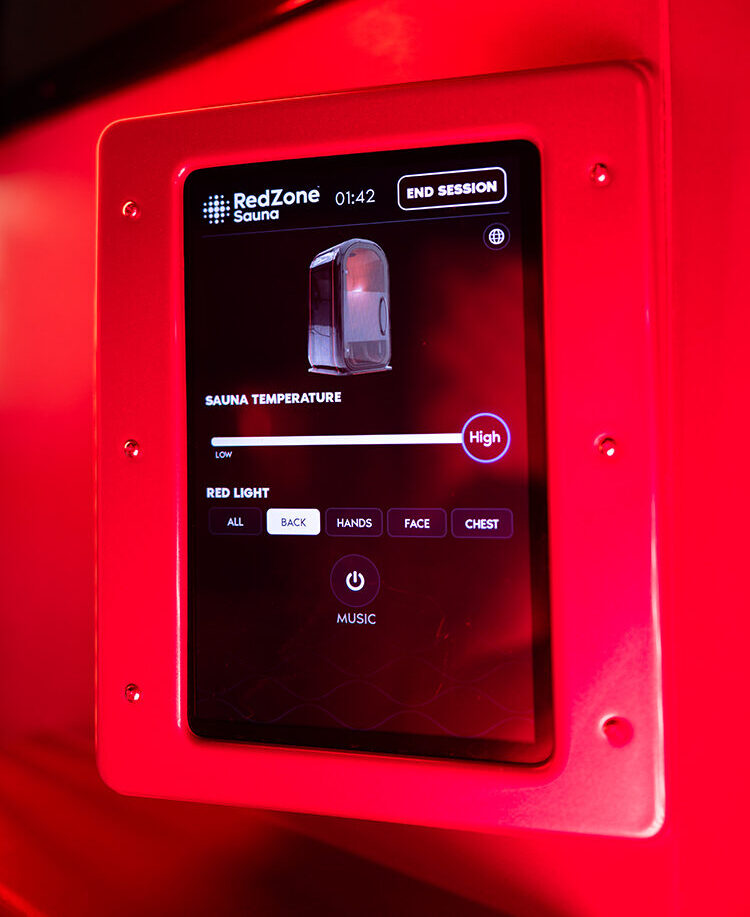
RedZone is designed for quick, self-guided use. Each session runs 15 minutes and starts with a single tap on the touchscreen. Airflow and built-in filtration keep the cabin fresh, while Bluetooth audio and a frosted glass door add to the experience. Its single-user design also ensures proximity to each red light panel for maximum impact.
Maintenance & Staffing
In commercial environments, ongoing maintenance and staff involvement can quickly determine whether an infrared sauna feels like a value-add or an operational burden.
Traditional wood-based infrared saunas often require:
- Cooling and drying time between users
- Regular surface cleaning to manage sweat and moisture
- Periodic sealing, sanding or refinishing to prevent odor and wear
- Staff oversight to manage session flow and cleanliness
In high-traffic settings, these requirements can add up, increasing labor demands and limiting the sauna’s availability.
RedZone is designed to minimize both maintenance and staffing needs:
- A non-porous composite interior that wipes clean in seconds
- No drying time required between sessions
- Built-in drainage channels to manage condensation
- HEPA and charcoal air filtration to help maintain odor-free air
- Fully self-guided sessions with no staff involvement required
With fewer materials to maintain and no reset time between users, RedZone delivers higher uptime and simpler day-to-day operations than traditional infrared sauna formats.
Revenue Opportunity
Operators exploring infrared sauna options often evaluate them through the lens of ROI. And while all infrared saunas offer wellness benefits, the commercial viability of each format can differ significantly. While traditional infrared saunas can deliver a premium, spa-like experience, their longer session times and higher operational demands can limit overall revenue potential.
RedZone is designed to support stronger ROI through:
- Short, self-guided sessions that allow for higher daily user volume
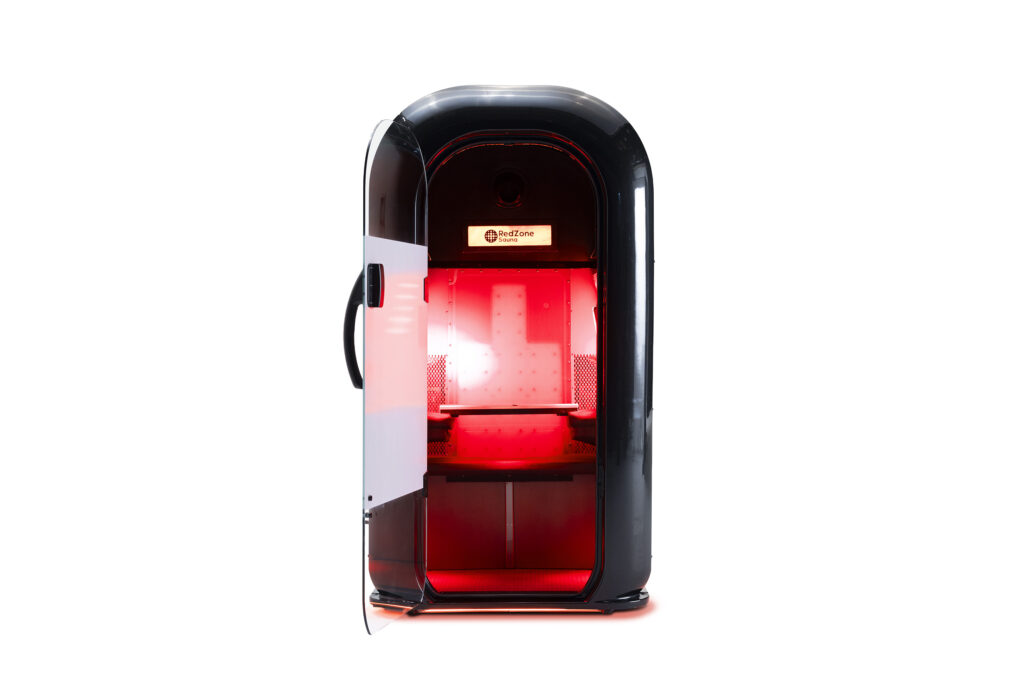
- A compact 44″ × 62″ (111.76 × 157.48 cm) footprint that fits easily into existing layouts
- Simple installation with a standard 220V/40A electrical line and no plumbing or venting
- Flexible monetization options, including pay-per-use, premium membership tiers or bundled wellness packages
- Lower ongoing overhead compared to multi-person sauna rooms or staff-supported services
By reducing friction for both users and operators, RedZone makes it easier to turn infrared and red light therapy into a scalable, revenue-generating amenity rather than a resource-intensive specialty offering.
Final Thoughts: Choosing the Right Infrared Sauna for Your Space
Infrared sauna technology has evolved well beyond the traditional wood cabin. Today’s options range from extended, spa-style experiences to modern, purpose-built systems designed for speed, consistency and scale.
Traditional infrared saunas may still be the right fit for environments that prioritize long, private sessions and have the staffing and space to support them. For gyms, hotels and high-traffic wellness facilities, however, innovative formats like RedZone Sauna offer a more practical alternative. By combining infrared heat and red light in a single, streamlined unit, RedZone supports efficient operation, higher throughput and easier maintenance without sacrificing user comfort.
For operators building or upgrading a wellness zone, understanding how each format aligns with your business model is key to choosing a solution that delivers long-term value for both your facility and your members.
Explore RedZone for Your Facility
Learn more about RedZone or request a quote to see how a RedZone Sauna can fit into your wellness offering.