Key Takeaways
- How much does it really cost to run a cold plunge? The purchase price is only a fraction of total cost of ownership. Infrastructure upgrades, daily labor, water treatment, energy consumption and recurring consumables all add to long-term operating expenses.
- Can cold plunges cause humidity or HVAC problems? Yes, water-based systems introduce moisture, increase HVAC load and may require flooring adjustments, especially in spaces not originally built as wet zones.
- How often do commercial cold plunges need maintenance? Daily. Surface cleaning, chemical balancing, filter replacement and periodic draining are all required to keep the unit safe and presentable. Those responsibilities scale with usage and across locations.
- What are the hidden operating costs of a cold plunge? Water, filtration, chemicals and energy are all recurring expenses that directly reduce margins. Downtime during draining and rebalancing also temporarily removes the unit from service.
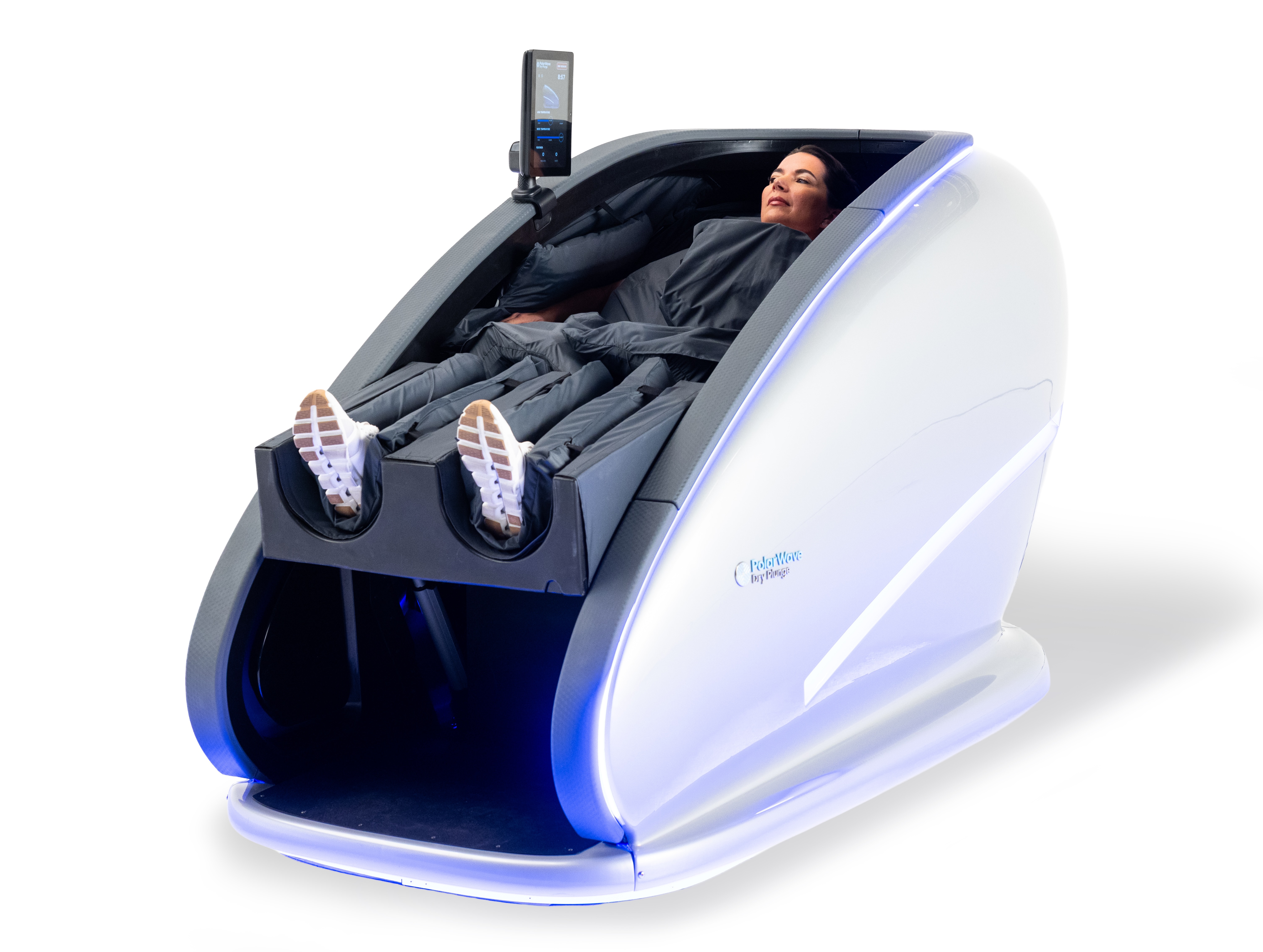
- Is there a cold plunge alternative without water? Yes. Self-contained dry cold immersion systems, like PolarWave Dry Plunge, eliminate water, plumbing and chemical management, reducing infrastructure strain and simplifying deployment across facilities.
Cold immersion has quickly become a standard feature in modern recovery spaces. What was once reserved for professional athletes is now expected in fitness clubs, hospitality properties and wellness facilities of all sizes. As member awareness grows, you’re likely evaluating whether a cold plunge should be part of your offering.
On the surface, the investment seems straightforward: purchase the unit, install it and position it as a premium recovery feature. But the sticker price is just the beginning.
In commercial environments — especially high-traffic gyms, hospitality properties and multi-location brands — the real costs surface in infrastructure, labor, utilities and risk management. The more important question isn’t whether to offer cold immersion, but how it performs operationally over time.
Humidity, HVAC and Hidden Buildout Costs
When operators price a cold plunge, they typically focus on the unit itself. But a commercial plunge also affects the environment around it.
A large body of cold water constantly exposed to air introduces humidity into the room. As members enter and exit throughout the day, evaporation increases. In spaces not originally designed as wet areas, additional moisture can build quickly.
Standard HVAC systems aren’t always equipped to manage sustained humidity. Over time, operators may notice:
- Condensation on walls or ceilings
- Damp flooring beyond the plunge zone
- Lingering moisture in enclosed recovery rooms
- Odor retention in soft finishes
- Managing this often requires additional ventilation, dehumidification or climate-control adjustments — costs that don’t appear in the initial equipment quote.
Over time, moisture affects more than comfort. It can contribute to surface wear, material deterioration and increased facility maintenance. In poorly ventilated areas, trapped moisture can also contribute to odor and potential mold issues.
For multi-location brands, these infrastructure demands scale with every install.
Cold immersion may be straightforward for the user. For the building, it’s an environmental commitment that should be evaluated just as carefully as the equipment itself.
Maintenance Doesn’t Scale Itself
In a commercial environment, water-based equipment introduces routine operational responsibilities.
A cold plunge requires consistent monitoring to maintain water clarity, temperature and overall presentation. That typically includes:
- Daily surface cleaning and debris removal
- Water testing and chemical balancing
- Filter checks and periodic replacements
- Scheduled draining and refilling
- Ongoing temperature monitoring
These tasks are manageable, but they are recurring. And in high-traffic facilities, frequency often increases with usage.
From an ownership perspective, this shifts cold immersion from a passive amenity to an actively managed one. Staff time must be allocated not only to scheduled upkeep but also to unplanned adjustments when water quality or clarity needs attention.
Over the course of a week, even modest daily maintenance can add up to several hours of labor. Across multiple locations, that commitment scales.
For operators already managing busy floors, class schedules and member service, it’s worth considering how this additional oversight fits into existing workflows. It’s also important to assess whether the equipment format supports or complicates day-to-day operations.
Water, Chemicals, Filters — on Repeat
Beyond infrastructure and labor, water-based cold plunges carry ongoing operating expenses that extend well beyond the initial purchase.
Water must be treated, filtered and periodically replaced. Chemicals need to be replenished. Filters require replacement. Energy is required to maintain consistently low temperatures throughout the day.
Individually, these costs may appear manageable. Collectively, they become part of the total cost of ownership.
Typical recurring expenses can include:
- Water usage from scheduled draining and refilling
- Sanitizing chemicals and testing supplies
- Replacement filtration components
- Increased energy consumption to maintain temperature
- Cleaning materials and protective flooring treatments
Usage volume directly influences these costs. The more popular the plunge becomes, the more frequently water may need to be refreshed, and systems serviced. In that sense, higher engagement can increase operating demands.
There is also the impact of downtime. Draining, refilling and rebalancing water chemistry temporarily removes the unit from service. During those windows, the equipment occupies valuable floor space without generating member engagement or revenue opportunity.
For operators evaluating ROI per square foot, recurring consumables and temporary service interruptions are important variables to factor into long-term projections.
Cold immersion can absolutely enhance a recovery offering. The key is understanding how recurring inputs — water, chemicals, energy and replacement components — influence margin over time.
Wet Floors, Slip Risk and Insurance Implications
Water doesn’t always stay contained within the unit.
As members enter and exit a cold plunge, water naturally travels with them onto surrounding flooring and, in some cases, into adjacent training or wellness areas. In dedicated wet zones with proper drainage and non-slip surfaces, this may be expected and manageable. Mixed-use spaces require additional planning.
Operators may need to account for:
- Non-slip flooring around the plunge area
- Floor mats or drainage solutions
- Clear signage and traffic flow adjustments
- More frequent surface cleaning during peak hours
In high-traffic environments, moisture outside the unit can increase the potential for slip-and-fall incidents. Even with proactive cleaning protocols, water tracked across floors introduces a variable that must be monitored throughout the day.
There are also insurance considerations. Some carriers evaluate aquatic-style amenities differently than dry wellness equipment, particularly if the space was not originally designed as a wet environment.
None of these factors are insurmountable. Many facilities operate water-based recovery successfully. The key is recognizing that introducing a cold plunge may shift operational responsibilities beyond the equipment itself and into flooring materials, supervision and risk management practices.
For operators building scalable wellness spaces, understanding how water interacts with the broader facility layout is an important part of long-term planning.
Downtime, Throughput and the Scaling Problem
In commercial spaces, efficiency drives ROI.
Cold plunges take up premium floor space. The key question is how consistently that space stays in use.
Water-based systems require periodic draining, refilling and chemical rebalancing. During those times, the unit is offline. Even routine cleaning and surface resets between users can reduce session availability during peak hours.
Staff involvement adds another layer. Monitoring water quality, managing traffic flow and addressing maintenance needs can slow throughput in otherwise self-guided wellness areas.
Wet formats also limit placement flexibility. Plumbing, drainage and humidity considerations typically require dedicated space, which can make replication across locations more complex.
For multi-location operators, consistency matters. As wellness programs scale, predictable maintenance and uptime become critical to performance. Water-based systems can introduce variables that differ from site to site, making standardization more challenging.
Self-contained formats are often easier to replicate. Installation is more uniform. Maintenance is more predictable. Throughput is easier to manage. This is where self-contained, dry formats can simplify rollout and standardization across locations.
Dry Cold Immersion: Built for Commercial Operation
Cold immersion isn’t one-size-fits-all for operators thinking beyond a single install; format matters.
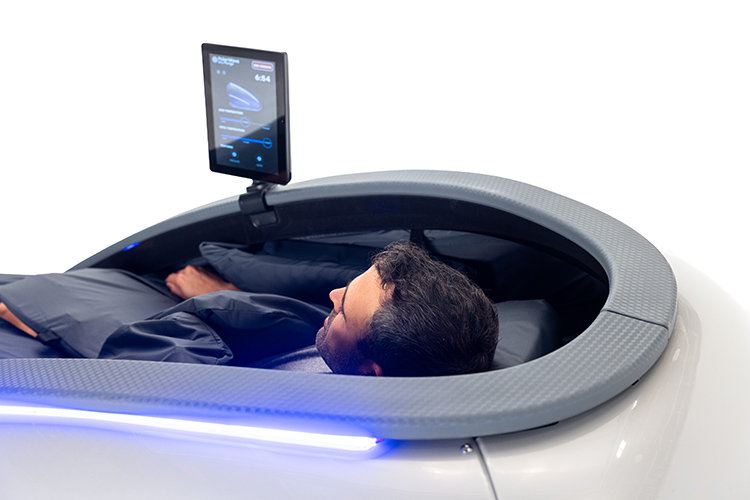
Dry cold immersion systems, like the PolarWave, approach recovery from a different operational starting point.
Because the experience is delivered without water, there’s no plumbing, drainage or humidity management required. The unit operates as a self-contained system, eliminating the environmental variables that often accompany wet installations.
From a daily operations standpoint, that changes the maintenance model:
- No chemical balancing
- No filter replacement
- No draining or refilling cycles
- No water-related flooring considerations
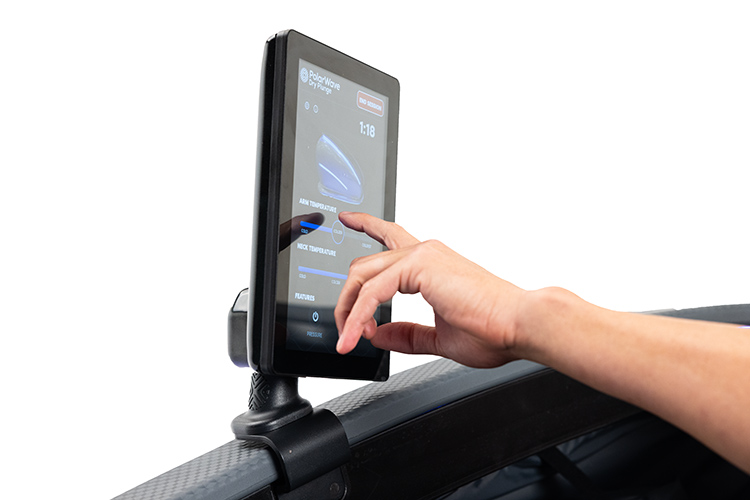
Sessions typically run 3-7 minutes, supporting faster turnover and consistent throughput throughout the day. The touchscreen interface allows for fully self-guided use, reducing the need for staff oversight.
Installation is similarly straightforward. Without the need for wet-zone buildouts or structural modifications, the unit can integrate into existing layouts with minimal disruption. For multi-location operators, that repeatability becomes a strategic advantage.
Cold recovery remains a strong draw for members. The differentiator is whether the format aligns with a facility’s operational goals, particularly when scalability, uptime and consistency are priorities.
Within the same dry, self-contained ecosystem, the CryoLounge+ offers a complementary option for targeted cold-and-heat recovery, giving operators a way to support localized post-workout needs without adding water-based complexity. Choosing between the two depends on whether you want full-body immersion or targeted recovery.
Final Thoughts: Visibility Beats Hype
Cold immersion isn’t going away. Member demand is established, and facilities that offer it position themselves as modern and performance-focused.
The opportunity, however, isn’t just to install a cold plunge. It’s to implement cold recovery in a way that supports operational efficiency, protects uptime and scales cleanly across locations.
Infrastructure impact, daily oversight, recurring expenses and throughput all influence whether the amenity strengthens or complicates your business model.
As recovery spaces continue to evolve, operators who evaluate total cost of ownership — not just purchase price — will be better positioned to build wellness environments that perform consistently over time.
The right cold recovery format should deliver the experience members expect while aligning with the realities of commercial operation.
Bring PolarWave Into Your Facility
If you’re evaluating how cold immersion fits into your recovery space, PolarWave offers a format designed specifically for commercial performance. With no plumbing, no water management and fully self-guided sessions, it delivers the cold experience members expect without the operational strain of traditional plunges.
Explore PolarWave or request a quote to see how dry cold immersion can integrate into your facility.