Key Takeaways
- Support infrastructure sustains performance. Software, service and warranty coverage determine how equipment performs over time.
- Commercial-rated wellness and recovery equipment protects long-term return on investment (ROI). Wellness environments demand equipment built for sustained, high-use operation.
- Build quality impacts uptime. Durable construction and accessible service reduce downtime and unexpected ownership costs.
- Space efficiency drives returns. Throughput and layout matter as much as footprint when evaluating value per square foot.
- Ease of use increases adoption. Intuitive, self-guided experiences lead to higher utilization and more consistent member engagement.
Choosing wellness and recovery equipment for a commercial space is a long-term operational decision that affects uptime, maintenance costs, member experience and overall return on investment. Too often, facilities make costly mistakes by installing residential-grade or light-duty equipment that isn’t built for the demands of a commercial environment, leading to avoidable downtime, service issues and higher ownership costs over time.
This checklist is designed to help operators evaluate wellness and recovery equipment and solutions through a practical, commercial lens. By focusing on construction quality, serviceability, space efficiency and long-term support, it outlines the key considerations that matter most when selecting equipment intended to perform reliably in high-traffic, professional settings.
1. Built for Commercial Use — Not Residential
When evaluating wellness and recovery equipment for a commercial facility, the most important distinction is whether a unit is truly commercial-rated. Commercial equipment is engineered for high-volume, multi-user environments and designed to operate 8-16+ hours per day, every day. Residential or light-duty equipment is built for occasional personal use — and that gap matters quickly in a commercial setting.
Commercial-rated equipment isn’t just heavier or more expensive. It’s built with materials and tolerances that account for constant use by a wide range of users. That shows up in reinforced frames and hardware, durable surfaces designed for frequent cleaning, industrial-grade electronics built for continuous operation and quality standards aligned with professional environments.
Residential or light-duty equipment may appear more cost-effective upfront, but frequent breakdowns, limited parts availability and restricted warranties often result in higher total cost of ownership over time. Commercial-rated wellness and recovery equipment is designed to deliver consistent performance, protect uptime and support long-term facility operations.
To determine whether equipment is truly commercial-rated, look for the following indicators:
- Reinforced frames, hinges and structural components designed to handle repeated, multi-user use
- Durable surfaces and upholstery built to withstand frequent contact and commercial cleaning
- Industrial-grade electronics and wiring intended for continuous operation
- Clearly defined daily duty cycle ratings (e.g., 8+ or 16+ hours per day)
- Warranty terms written specifically for commercial environments
- Coverage that reflects long-term use across key components, not just cosmetic parts
- Documented expectations for equipment lifespan in commercial settings
- Clear guidance around maintenance intervals and replacement parts
- Support models designed for ongoing operation, not occasional service
2. USA-Made Quality Control and Parts Availability
Where wellness and recovery equipment is manufactured has a direct impact on uptime, serviceability and long-term operating costs. For commercial operators, USA-made equipment offers practical advantages that go far beyond branding or patriotism.
Domestic manufacturing supports tighter quality control throughout the build process, with more consistent materials, assembly standards and testing protocols. It also makes replacement parts easier to source, reduces lead-time uncertainty and allows service issues to be resolved faster — all of which matter when equipment is operating all day, every day.
To evaluate manufacturing quality and long-term serviceability, look for the following indicators:
- Replacement parts stocked domestically and available within 24-72 hours
- Predictable repair and service lead times for common issues
- Documented inspection and testing protocols during manufacturing
- Consistent materials and assembly standards across production runs
- Domestic service support with trained technicians familiar with the equipment
- Clear processes for handling component failures, defects or recalls
- Support models designed to maintain uptime in high-use commercial environments
3. Footprint, Throughput and ROI per Square Foot
In commercial wellness and recovery spaces, square footage is one of the most valuable assets. Every piece of equipment must justify not just the space it occupies, but the value it delivers in member usage and revenue potential.
Footprint alone doesn’t tell the full story. Two units may take up similar space but perform very differently depending on session length, ease of access and how efficiently members can move through the area. Evaluating equipment through the lens of ROI per square foot helps operators make smarter layout and purchasing decisions.
Throughput is a major driver of that return. Equipment designed for quick, self-guided sessions supports higher utilization and keeps traffic flowing, especially during peak hours. Slower stations with long sessions, warm-up requirements or staff involvement can quickly become bottlenecks.
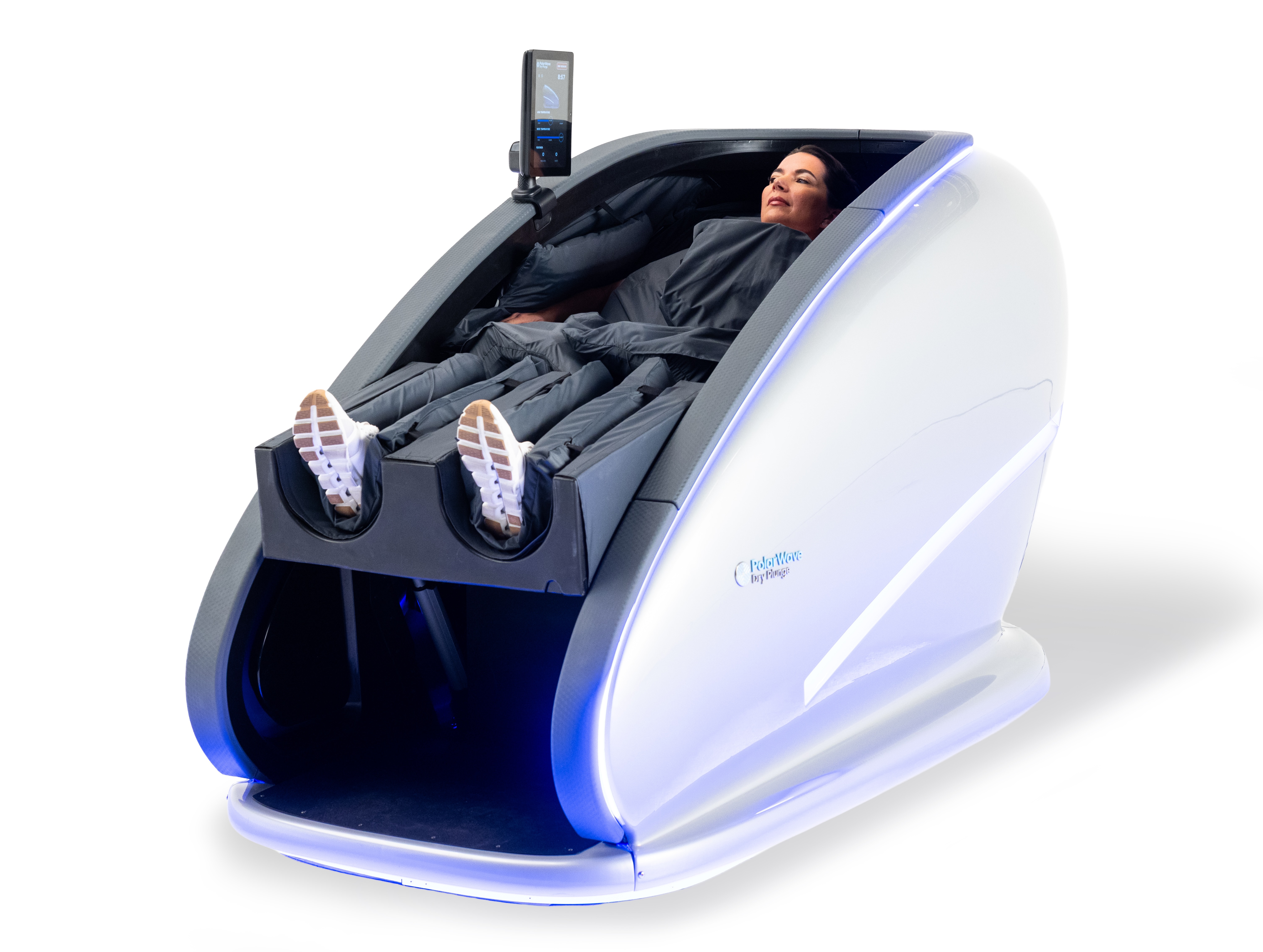
A smaller footprint paired with high throughput often delivers greater long-term value than larger, slower-use installations. Equipment that balances compact design with fast, repeatable sessions helps maximize both member satisfaction and revenue potential.
To evaluate footprint efficiency and long-term ROI, look for the following indicators:
- Realistic user throughput per hour during peak usage
- Session lengths that support quick, repeatable use
- Ease of entry and exit that allows for fast turnover
- Equipment designs that minimize congestion in open wellness zones
- Footprints that fit cleanly into existing layouts without disrupting traffic flow
- Utilization potential relative to the amount of floor space required
- Scalability across multiple locations or wellness zones
4. Installation and Operational Requirements
Installation requirements can significantly affect both upfront costs and timelines. Wellness and recovery equipment that looks compelling on paper may become far less attractive once electrical upgrades, construction work or extended downtime are factored in.
Many operators now prioritize plug-and-play solutions that integrate into existing spaces with minimal disruption. These systems typically rely on standard electrical connections and avoid structural modifications, specialized ventilation or complex safety accommodations. Equipment that installs quickly and operates smoothly from day one allows facilities to start generating value faster, without pulling focus or resources away from daily operations.
Before making a purchase, operators should clearly understand what installation actually involves. Key considerations include:
- Electrical requirements, including voltage, amperage and dedicated circuits
- Structural needs, such as floor reinforcement or permanent anchoring
- Ventilation and safety considerations, particularly in enclosed or high-traffic areas
It’s equally important to evaluate how much support the vendor provides during installation. Operators should ask:
- Are third-party trade partners needed for setup or compliance?
- What are the expected lead times from order to install?
- Does the vendor provide an installation crew, or is the unit designed for self-install?
- Is any site preparation required in advance?
5. User Experience — Intuitive, Private and Accessible
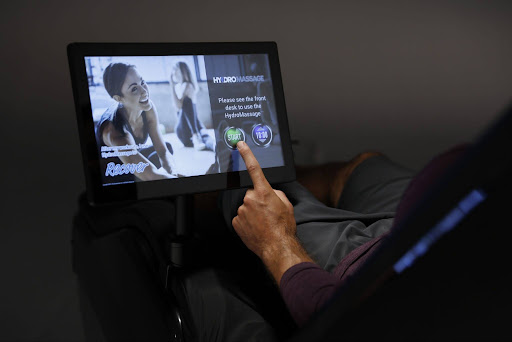
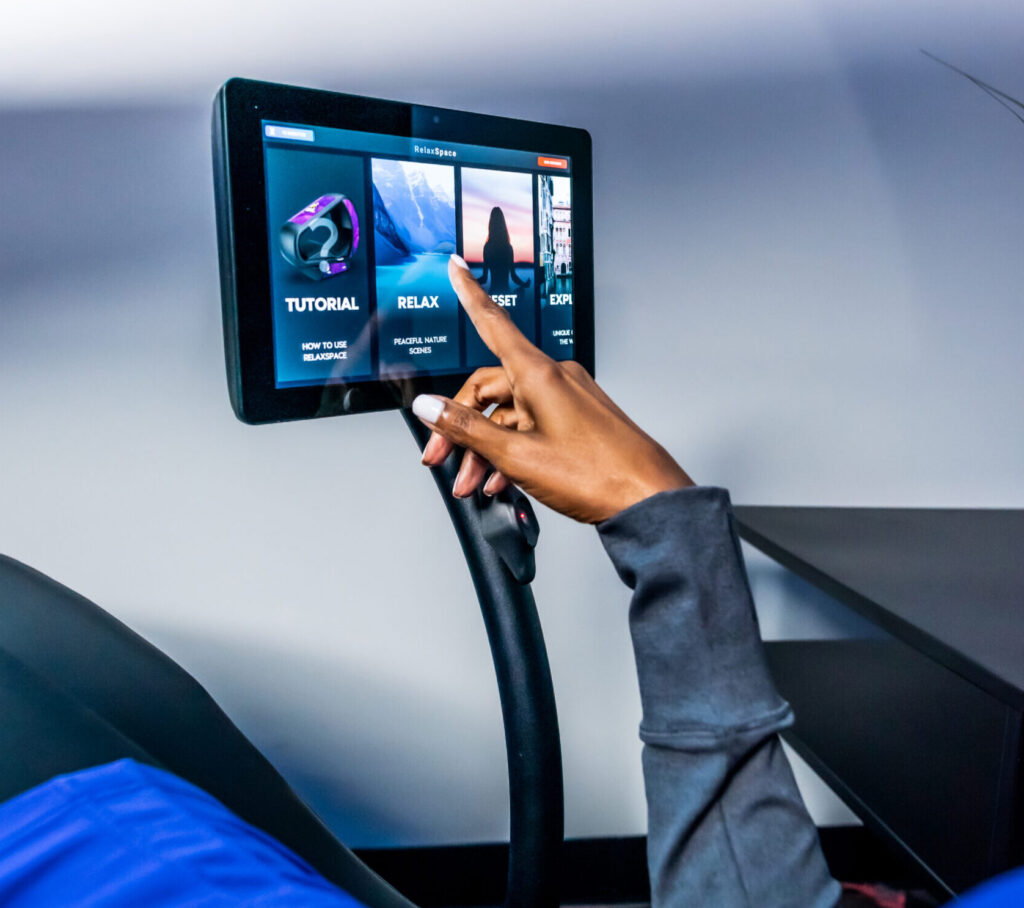
Even the most advanced wellness and recovery equipment won’t deliver value if members find it confusing, uncomfortable or intimidating. In high-traffic facilities, user experience needs to be intuitive enough for members to walk up, start a session and move on without staff assistance.
Equipment designed with self-service use in mind reduces friction, shortens learning curves and supports higher utilization. At the same time, accessibility and privacy play an important role in whether members feel comfortable using wellness amenities, particularly in open or shared spaces.
To evaluate user experience and member usability, look for the following indicators:
- Simple, self-guided controls that require minimal instruction
- Touchscreens or interfaces that are easy to understand at first use
- Designs that accommodate a wide range of body types and experience levels
- ADA-friendly access, seating and control placement
- Thoughtful privacy features that reduce exposure without full enclosures
- Session lengths that fit naturally into busy workouts or daily routines
- Overall design that feels approachable rather than clinical or intimidating
Questions to consider from a member perspective:
- Can a first-time user start a session without staff assistance?
- Will members feel comfortable using the equipment during peak hours?
- Does the experience encourage repeat use rather than hesitation?
6. Software, Reporting and Support Infrastructure
Wellness equipment doesn’t operate in isolation. The software and support systems behind it play a critical role in how efficiently equipment runs, how issues are addressed and how much long-term value it delivers.
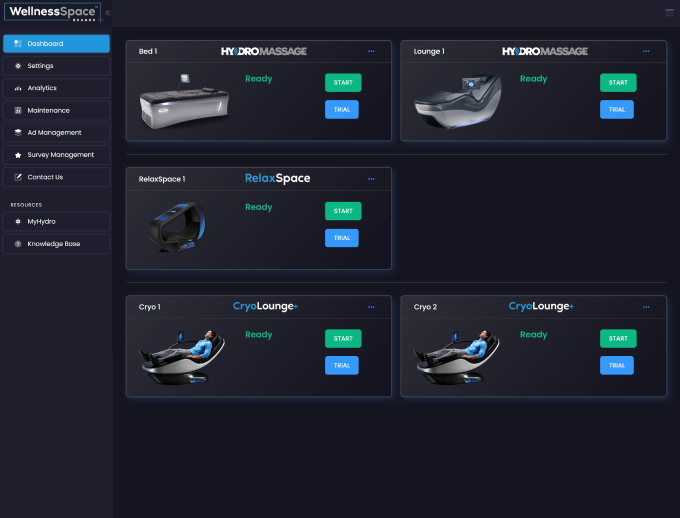
Software plays a practical role in how wellness and recovery equipment is monitored and maintained over time. Visibility into usage patterns helps teams understand demand and utilization, while maintenance alerts surface potential issues before they lead to downtime. When software integrates cleanly with existing systems, it supports day-to-day operations without adding unnecessary complexity or staff involvement.
To evaluate software capabilities and backend support, look for the following indicators:
- Reporting dashboards that provide clear visibility into usage and session trends
- Data access that supports utilization analysis and performance tracking
- Maintenance alerts or diagnostic tools that flag issues before failures occur
- Remote diagnostics that help speed troubleshooting and reduce downtime
- Vendor support portals for documentation, service requests and issue tracking
- Integration capabilities with POS, scheduling or access management systems
- Software infrastructure designed to scale across multiple locations
Questions to consider when evaluating software and support:
- How easily can usage data be accessed and interpreted by staff?
- Are maintenance issues identified proactively or only after failure?
- How does the software support multi-location management or expansion?
7. Warranty, Service and Parts Support
Warranty and service terms often receive less attention during the buying process, but they become critically important once equipment is in daily use. For commercial operators, these terms should be evaluated as part of overall risk management and long-term ownership planning.
Commercial equipment warranties typically vary by component, and service models can differ significantly between vendors. Understanding what’s covered, how issues are resolved and how quickly equipment can be returned to service helps operators avoid extended downtime and unexpected costs.
To evaluate warranty coverage and ongoing support, look for the following indicators:
- Warranty coverage clearly defined by component type
- Extended coverage for frames and structural components
- Defined coverage terms for parts, electronics and mechanical systems
- Transparent limitations or exclusions related to high-frequency commercial use
- Service models designed to minimize downtime, including on-site support where available
- Predictable parts availability and replacement timelines
- Options for extended warranties or service-level agreements as equipment ages
Questions to consider before committing:
- How does service support change after the initial warranty period?
- How quickly are service requests typically addressed?
- Are labor, travel or shipping costs included in warranty service?
Choosing Equipment That Performs Over Time
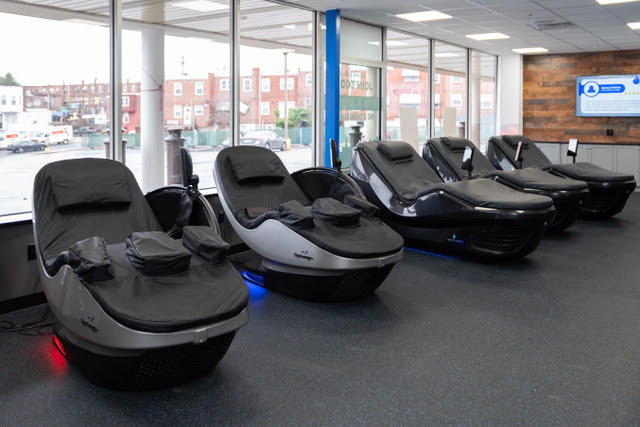
The most effective wellness and recovery spaces are built on reliability, not novelty. When equipment performs consistently day after day, members trust the experience and staff can support it without added strain. Operations stay efficient. Downtime is minimized. The wellness offering delivers value well beyond its initial rollout.
This is why equipment selection is ultimately an operational decision. Build quality, serviceability, space efficiency, usability and long-term support all play a role in whether a wellness space scales smoothly or creates ongoing friction. When those elements work together, wellness amenities become dependable drivers of engagement, retention and return on investment.WellnessSpace Brands designs commercial-grade wellness and recovery solutions with this reality in mind. Our equipment is built for high-use environments, supported for long-term operation and engineered to perform consistently where it matters most. Explore our solutions to see how operationally sound wellness equipment can support sustainable growth across your facility.