Key Takeaways
- Ease of use drives ROI. Wellness equipment only delivers value when members actually use it.
- Self-guided experiences scale better. Equipment that doesn’t rely on staff support sees higher adoption and more reliable usage.
- Complex controls reduce engagement. Intuitive interfaces lead to faster onboarding, repeat use and stronger member confidence.
- Simple operations support long-term retention. Equipment that’s easy for staff and members keeps wellness and recovery spaces performing well over time.
Why Great Wellness Concepts Fail in the Real World
On paper, many wellness spaces look like a smart investment. The modalities are proven. The demand is real. The equipment checks every technical box.
Yet once installed, some of these spaces quietly underperform.
The problem is rarely the science behind the experience. It’s what happens in day-to-day use. When equipment requires explanation, supervision or ongoing staff involvement, small moments of uncertainty add up. Members pause instead of starting. Staff deprioritize promotion. Usage drops.
In real-world environments, success depends less on what a product can do and more on how clearly people understand what to do with it.
Adoption Is the First Barrier to ROI
Wellness equipment does not create value by existing. It creates value when members use it regularly.
Low utilization is often blamed on lack of interest, but more often it comes down to uncertainty at the point of use. Members disengage when they:
- Aren’t sure how to start
- Feel unsure about what will happen next
- Think they need assistance to get it right
The same pattern applies to staff. When equipment is hard to explain or easy to misuse, it receives less attention during busy shifts.
When experiences are simple to start and easy to understand, they become part of the routine rather than being an extra step. That consistency drives return on investment through higher perceived value, stronger member engagement and improved retention.
Before a wellness and recovery space can deliver revenue or loyalty gains, it must first clear the most basic hurdle: consistent adoption.
Why Self-Guided Wellness Stations Win
Staff-supported wellness services can work in controlled environments. In busy gyms, recovery studios and multi-location operations, they are difficult to sustain.
Operational realities get in the way:
- Staff availability changes daily
- Turnover limits long-term expertise
- Training time competes with core responsibilities
When a wellness experience depends on staff involvement, its success varies by shift, location and employee.
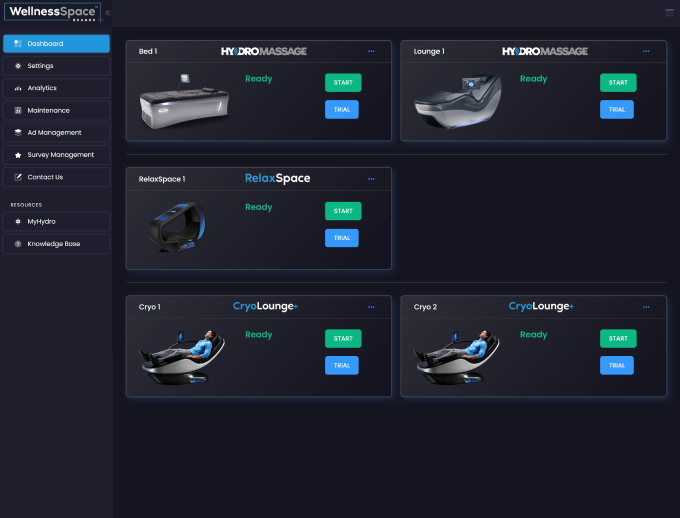
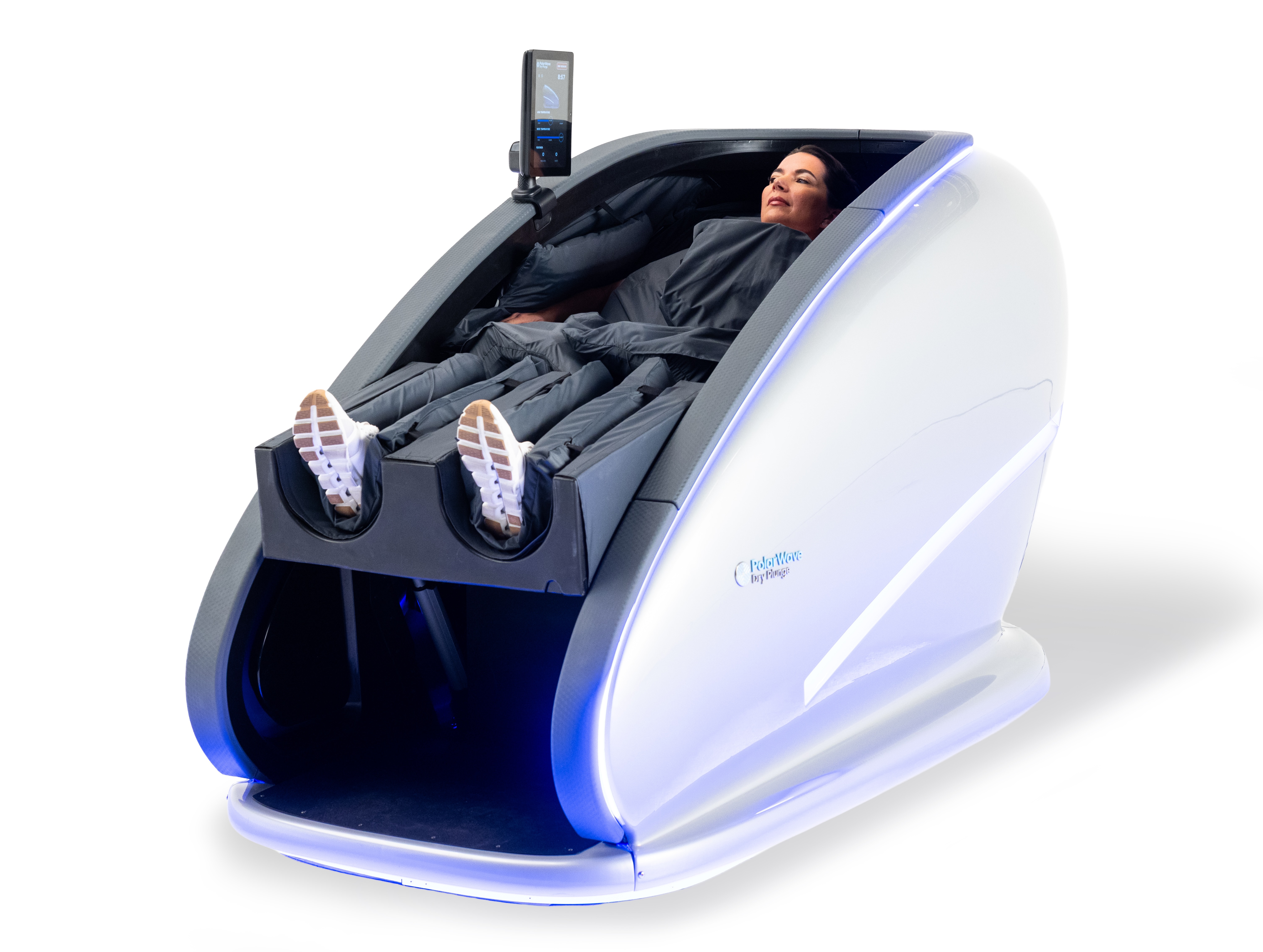
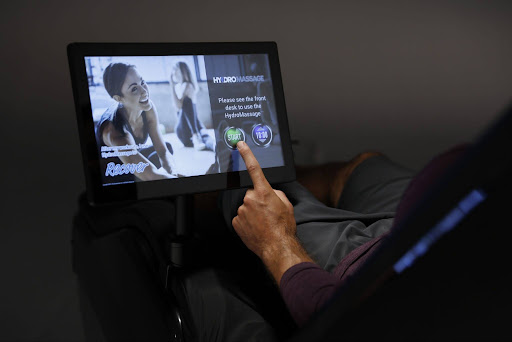
Self-guided wellness stations remove that variability. Options like HydroMassage lounges, CryoLounge+ chairs, PolarWave Dry Plunge and RedZone infrared saunas are built for self-serve recovery, so members can start a session with a few taps, no waiting for assistance or a walkthrough. The experience stays consistent during peak hours and quiet afternoons alike.
For operators, this autonomy supports scale. Self-guided stations reduce staff burden and deliver more predictable utilization. For members, they create confidence and convenience, two factors that significantly increase repeat use.
Member Experience Starts at First Tap
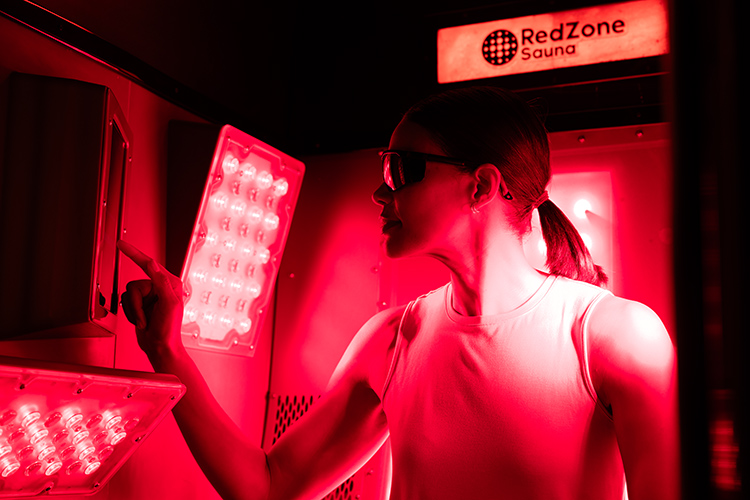
For members, the decision to use a wellness space happens in seconds.
If the experience feels unclear at the start, with too many options, unfamiliar terminology or no obvious next step, people hesitate. Not because they lack interest, but because the experience asks them to think before it delivers value.
Intuitive interfaces eliminate that moment of doubt. They make the experience obvious from the first interaction:
- A clear starting point
- Simple, guided selections
- Visible session length and expectations
When members understand what will happen before they begin, they feel comfortable moving forward on their own. That confidence lowers the barrier to first use and makes repeat engagement more likely.
Complex controls may offer customization, but intuitive design creates approachability. And approachability is what turns curiosity into participation.
Operational Simplicity Reduces Training Time
What feels confusing to a member is even more costly for staff.
Every piece of wellness equipment adds operational responsibility. Staff must know how to operate it, explain it clearly and step in when something goes wrong. When interfaces are complex, that responsibility grows.
The operational impact shows up quickly:
- Longer onboarding for new hires
- Inconsistent explanations across shifts
- Greater reliance on a few experienced employees
- Increased risk of misuse or downtime
Easy-to-use wellness stations reduce that burden. Shorter training time means staff can support the experience confidently without memorizing instructions or troubleshooting edge cases.
For operators (especially those managing multiple locations), simplicity creates consistency. Equipment that’s easy for staff to support performs reliably regardless of who’s on the floor.
Ease of Use Drives Retention and Lifetime Value
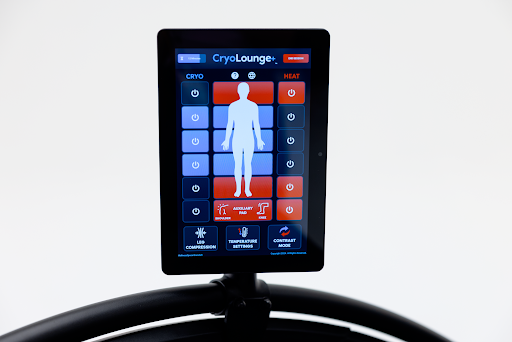
Retention isn’t driven by intention. It’s driven by behavior.
The faster a member moves from first exposure to confident, independent use, the more likely that experience becomes part of their routine. When onboarding is slow or confusing, usage stays sporadic. When onboarding is fast and intuitive, habits form.
Easy experiences shorten the path between:
- Trying once
- Using again
- Expecting it as part of the membership
Over time, that expectation strengthens retention. Members who regularly engage with recovery and wellness offerings feel better supported and more connected to the facility. The experience becomes a reason to stay, not just a feature to try.
Ease of use doesn’t just improve first impressions. It increases lifetime value by making wellness participation consistent, repeatable and sustainable.
How to Evaluate Ease of Use When Investing
Ease of use should be evaluated as deliberately as cost, footprint, or features.
When reviewing commercial equipment for your wellness and recovery space, decision-makers should look beyond demos and ask how it performs in real-world conditions:
- Can a first-time user start a session without staff help?
- Are controls clear and understandable within seconds?
- How much explanation is required from the front desk or floor staff?
- How quickly can a new employee learn to support it?
- What happens if no one is available to assist?
Equipment that relies on explanation creates friction. Equipment that guides users through the experience creates adoption.
Bottom Line: Simple Wins at Scale
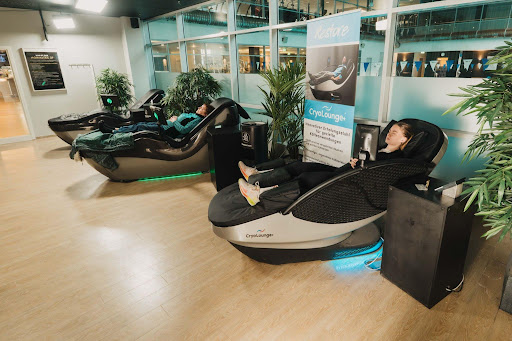
The most successful wellness and recovery spaces are not defined by complexity. They are defined by consistency.
When equipment is easy to understand and simple to operate, members engage more often, and staff can support it without strain. Usage becomes predictable. Operations stay efficient. The wellness space delivers value long after the initial excitement fades.
Ease of use is not a design preference. It is a business decision. Especially at scale, simplicity reduces operational risk and turns wellness amenities into reliable drivers of engagement and retention.
WellnessSpace Brands designs wellness and recovery spaces with this reality in mind. Our self-service solutions — including options like HydroMassage lounges, CryoLounge+ chairs, RedZone infrared saunas, PolarWave dry plunges and other self-guided recovery experiences — are intuitive for members, easy for staff to support and built to perform consistently in real-world environments.Explore our wellness solutions to see how simple, self-guided experiences can drive adoption, utilization and long-term ROI across your space.